Seven specially designed programs that nurture essential life skills, creativity, and critical thinking — preparing students for the real world.
Beyond academics — essential life skills, creativity, and critical thinking for the real world.
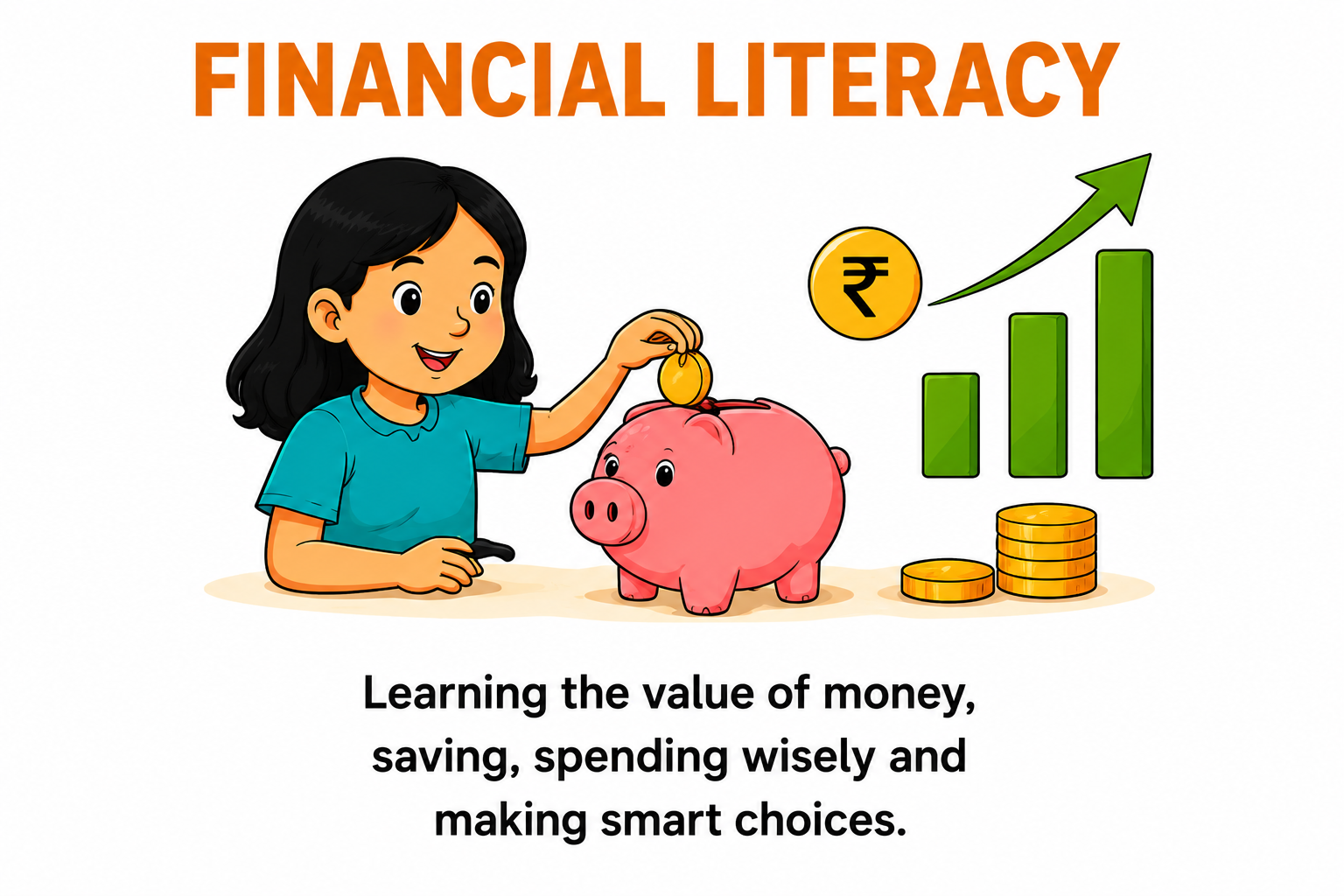
Financial literacy is instruction that teaches students practical money-management skills: budgeting, saving, credit, and the difference between needs and wants. Rather than abstract theory, it's built around applied exercises — tracking a budget, comparing prices, understanding why borrowing costs money. The goal is to prepare students for real decisions they'll actually face, from a first allowance to their first pay check. Delivered early, it closes a real gap: many students get this guidance at home, and many don't. Skip it, and school leaves out one of the few skills every single graduate will use for the rest of their life.
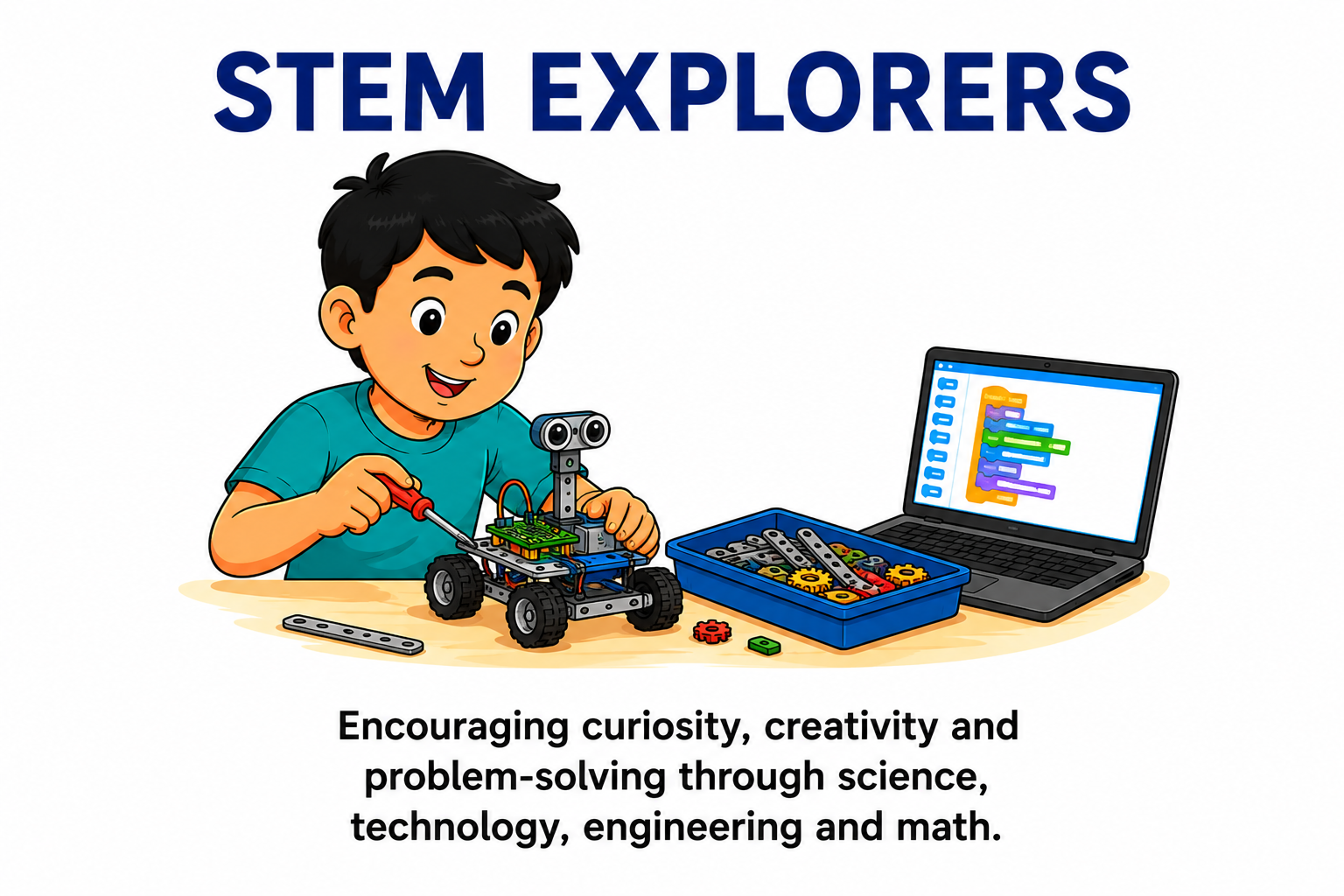
Phenomena-based learning flips science class on its head: instead of starting with a chapter, students start with a real, unexplained event and work backward into the science that explains it. A pond full of dead fish, rocks that move across a desert on their own — the mystery is the hook, and the curriculum is the answer. Students don't memorize facts to pass a test; they build them because they need them to solve something real. That shift changes everything — content sticks better when it's earned through a question instead of handed over as an answer. Do it right, and kids stop asking "when will I ever use this" — because they're using it right now, on something that actually happened.
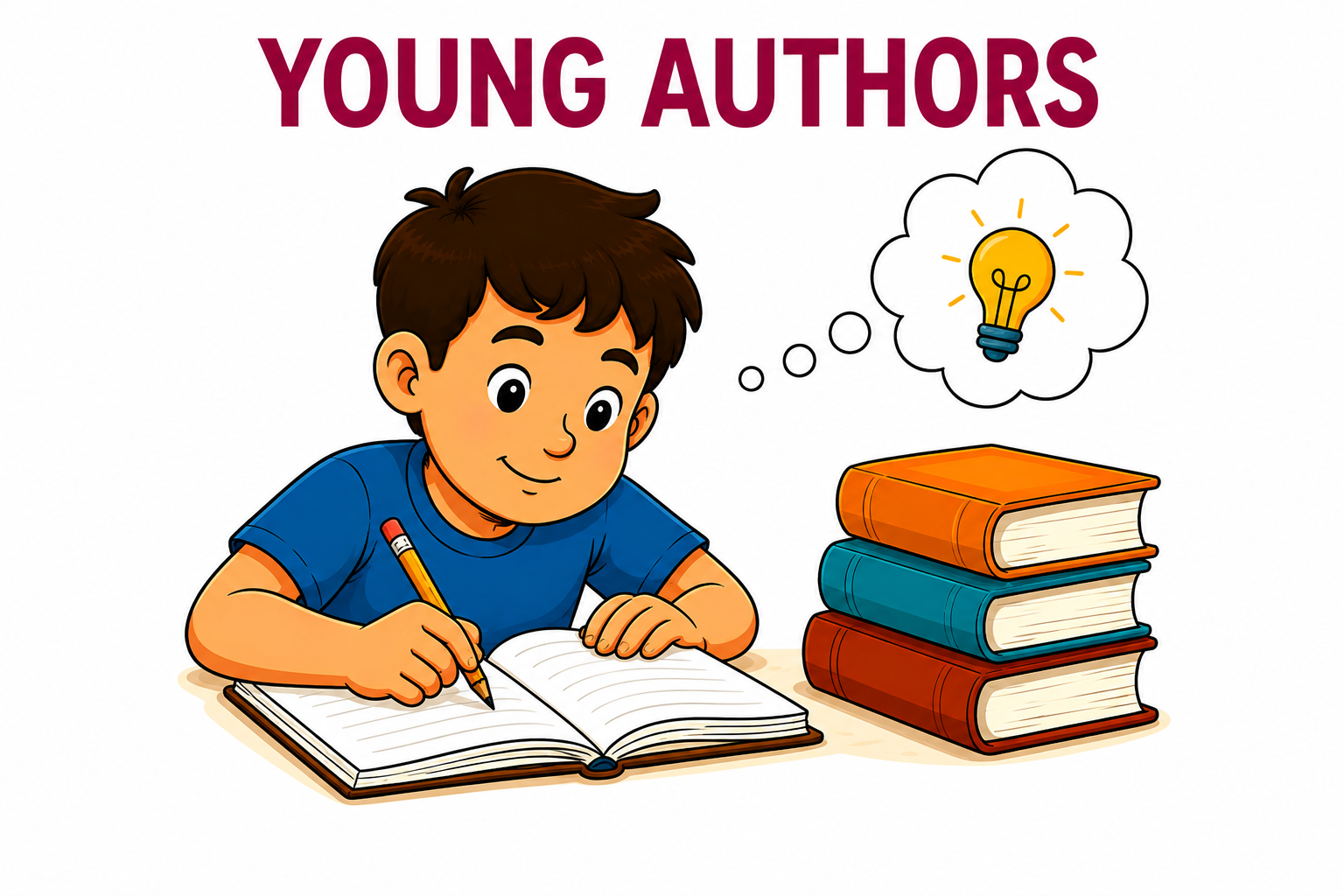
The Young Authors Program takes students through the entire writing process — brainstorm to draft to revision — and ends with something a textbook chapter never gives them: a real, finished book with their name on the cover. That shift from assignment to authorship changes how kids see themselves as writers, not just students completing a task. When the work culminates in a showcase where families see it, the payoff isn't just a grade — it's proof the words mattered.
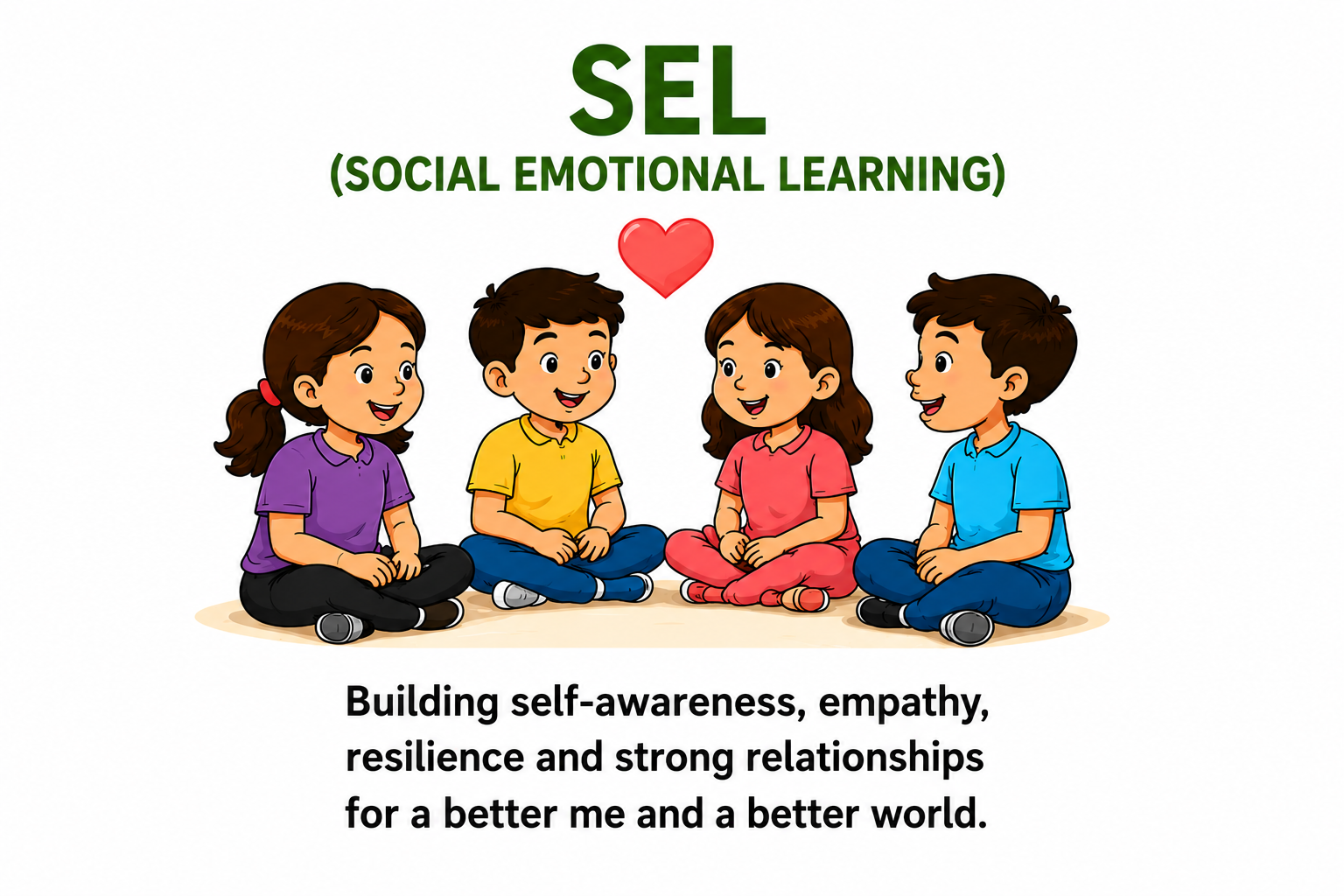
Social-emotional learning is instruction that builds five core skills: self-awareness, self-management, social awareness, relationship skills, and responsible decision-making. Rather than a stand-alone subject, it's delivered through short daily or weekly practices woven into the regular school day. Students learn concrete tools — naming emotions, listening actively, resolving conflict — rather than abstract concepts. The aim is practical: fewer disruptive outbursts, stronger peer relationships, and steadier focus in the classroom. Ultimately, SEL treats emotional regulation as a teachable skill, not an innate trait some students simply lack.
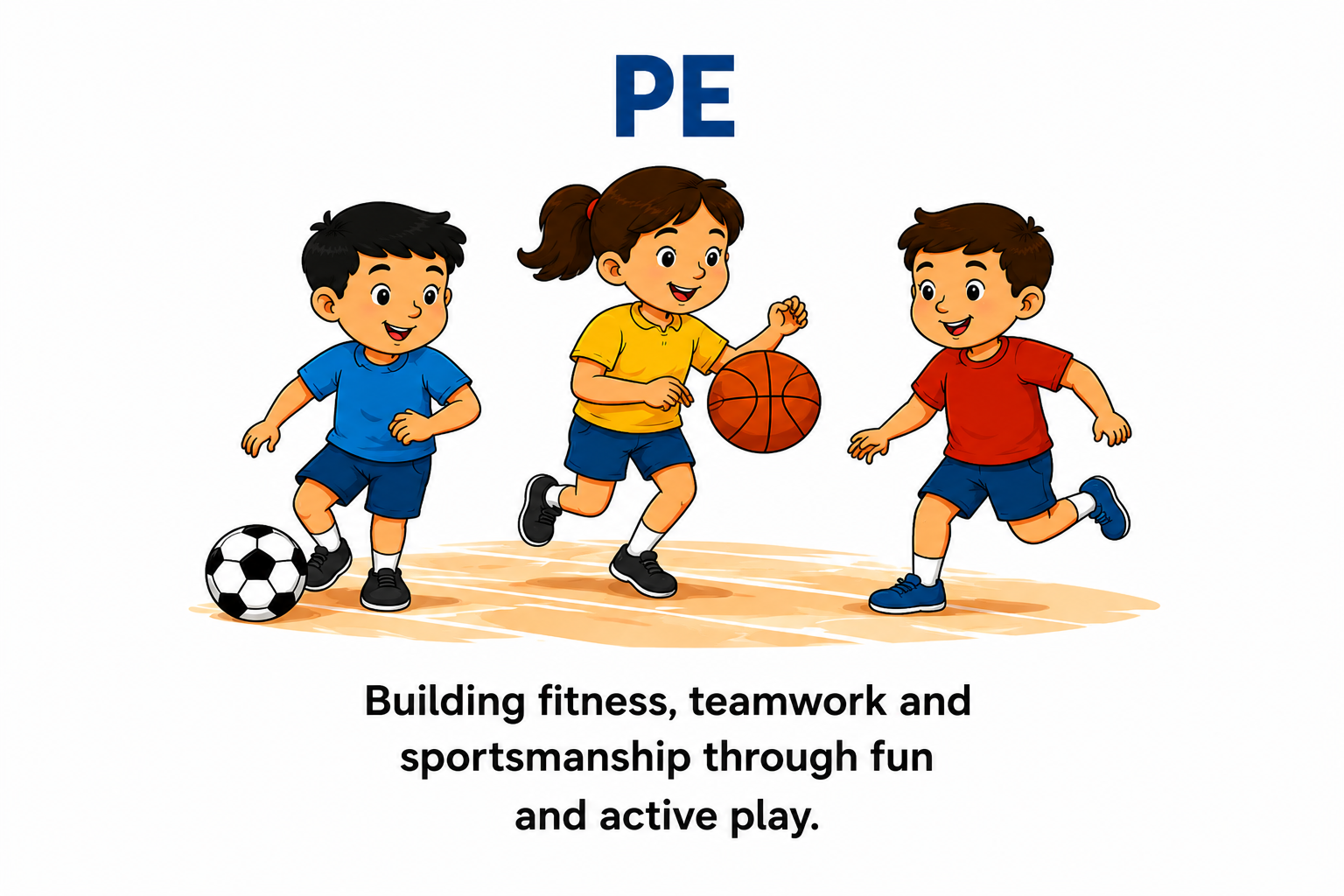
Structured PE program with a lot of age appropriate drills, exercises and group games designed to build fitness, coordination, and teamwork. Every session is planned to match developmental stages, so younger children build fundamental motor skills while older students take on strategy, endurance, and collaborative challenges.
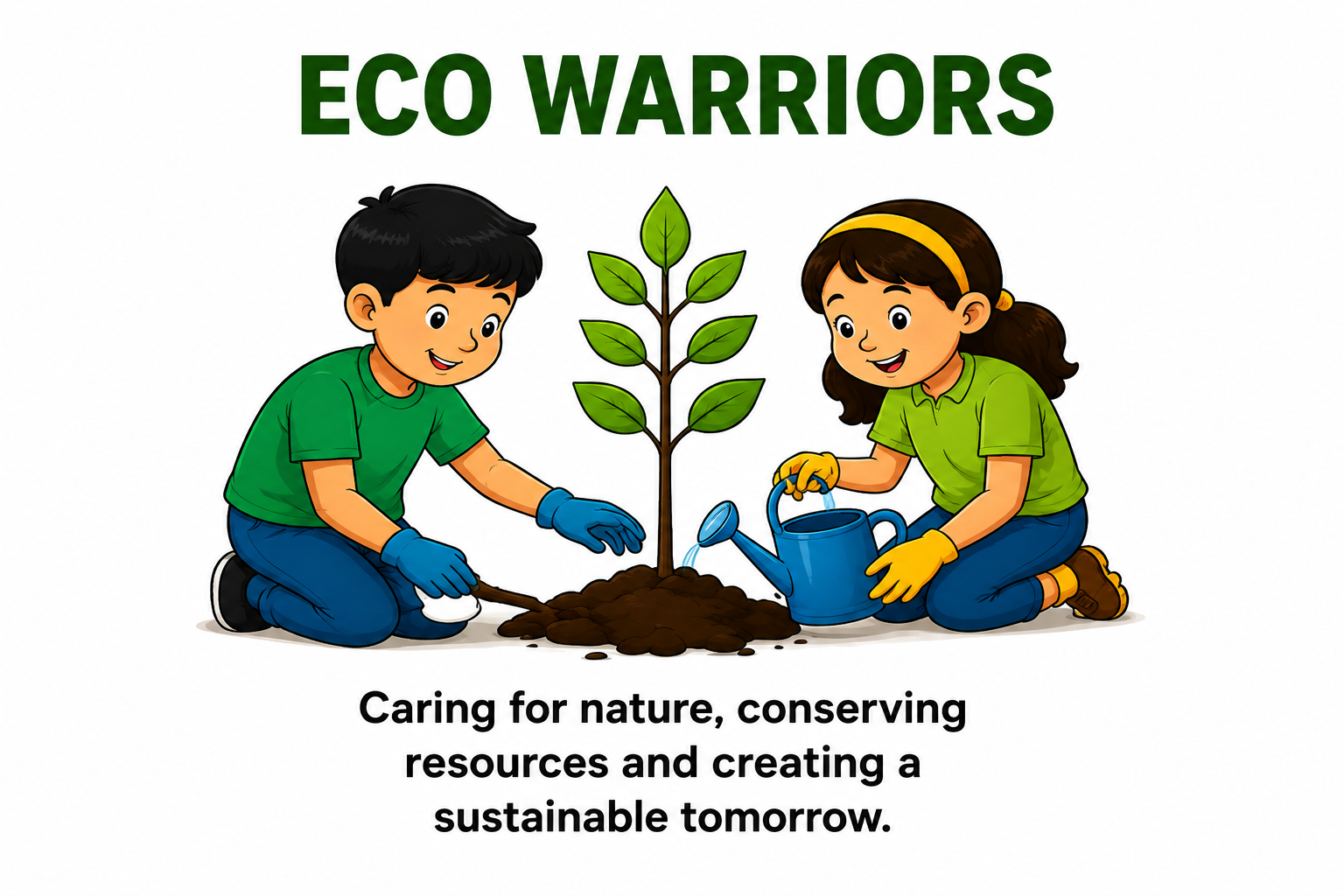
Eco Warriors is a hands-on sustainability program where students identify and act on real environmental problems within their own school — things like energy use, waste management, water consumption, or campus green space — rather than just learning about the environment in the abstract. By giving students ownership of small, measurable changes, the program turns environmental awareness into habit and leadership.
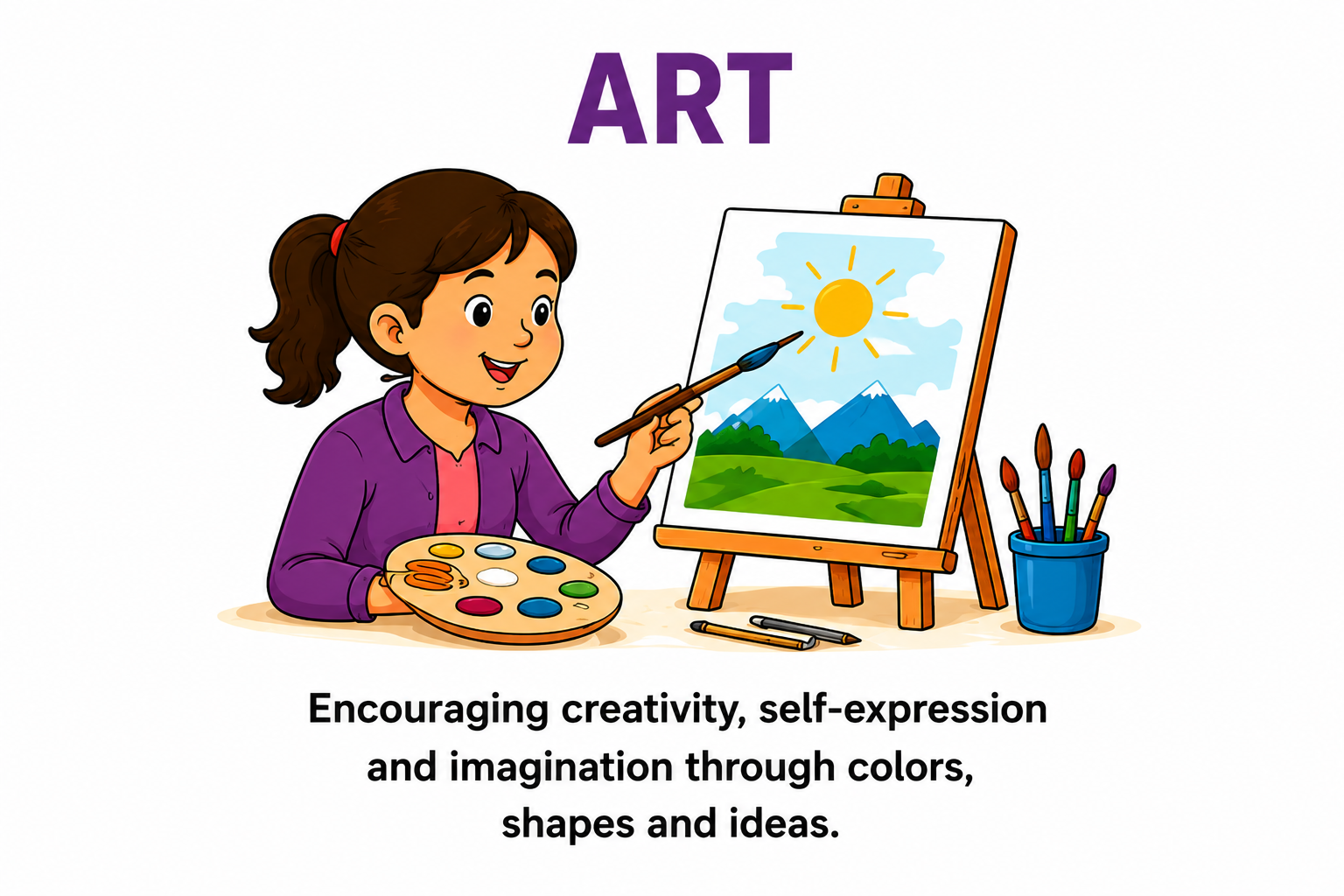
The Great Masters Art Program uses the life, style, and techniques of famous artists — from Picasso to Raja Ravi Varma — as the model for students' own creative development, rather than teaching art skills in isolation. Each unit centres on one master: students learn the artist's history and signature technique, then apply that technique in an original piece of their own, not a copy. The program builds technical skill and art history knowledge together, while giving students room to add their own style — culminating in student work displayed in a classroom or school gallery showcase.
KG Activity Centre, Library & Reading Area, Mathematics Lab, Science Lab, Computer Lab, Art Lab, and Music Lab — purpose-built environments where children explore, think, and create at their own pace.