Seven purpose-built spaces — from early KG exploration to hands-on science, technology, and music — designed to make learning active, engaging, and effective at every stage.
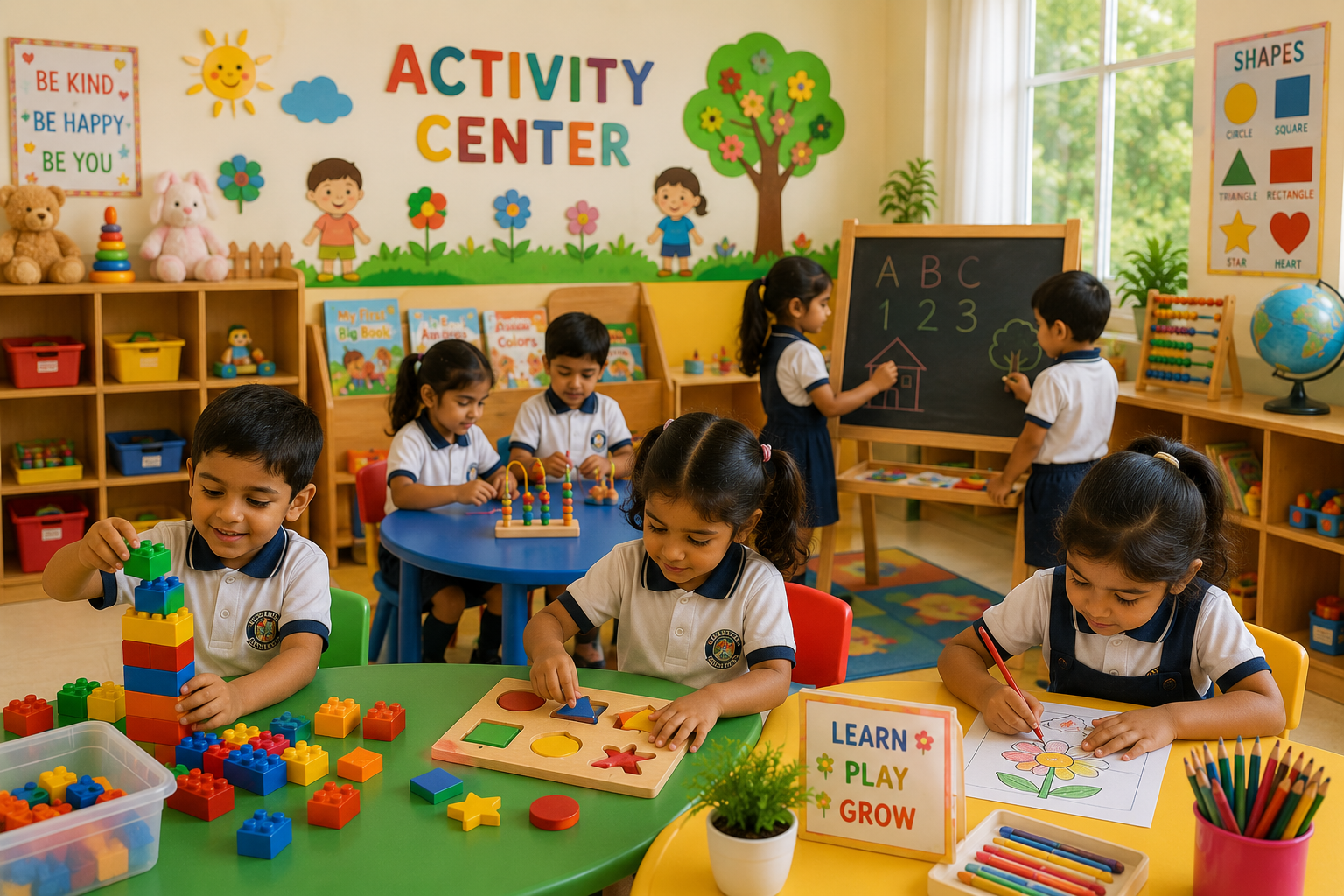
Setting up a KG activity space isn't about buying colourful furniture — it's about designing a room where every corner (reading nook, sensory table, block area, art station) invites a specific kind of play that builds a specific skill. Real expertise means knowing the right ratio of open space to structured stations, the safety and sightline requirements for 3–6 year-olds, and how to arrange materials so children choose activities independently instead of needing constant redirection. Done well, the room itself becomes the teacher — guiding behaviour, sparking curiosity, and giving even the youngest learners a sense of order and ownership from day one.
A well-graded library isn't just books sorted by age — it's a reading-level system (like Lexile bands or color-coded tiers) matched precisely to each grade, so a struggling reader and an advanced one both find books that stretch them without frustrating them. Real expertise means knowing how to balance the collection across genres, reading levels, and student interests, then arranging the physical space — seating, sightlines, browsing height — so kids actually want to sit down and read rather than just check out a book and leave. Done right, the space itself builds reading identity: a child can walk in, find their level, and leave feeling like a reader, not just someone who finished an assignment.
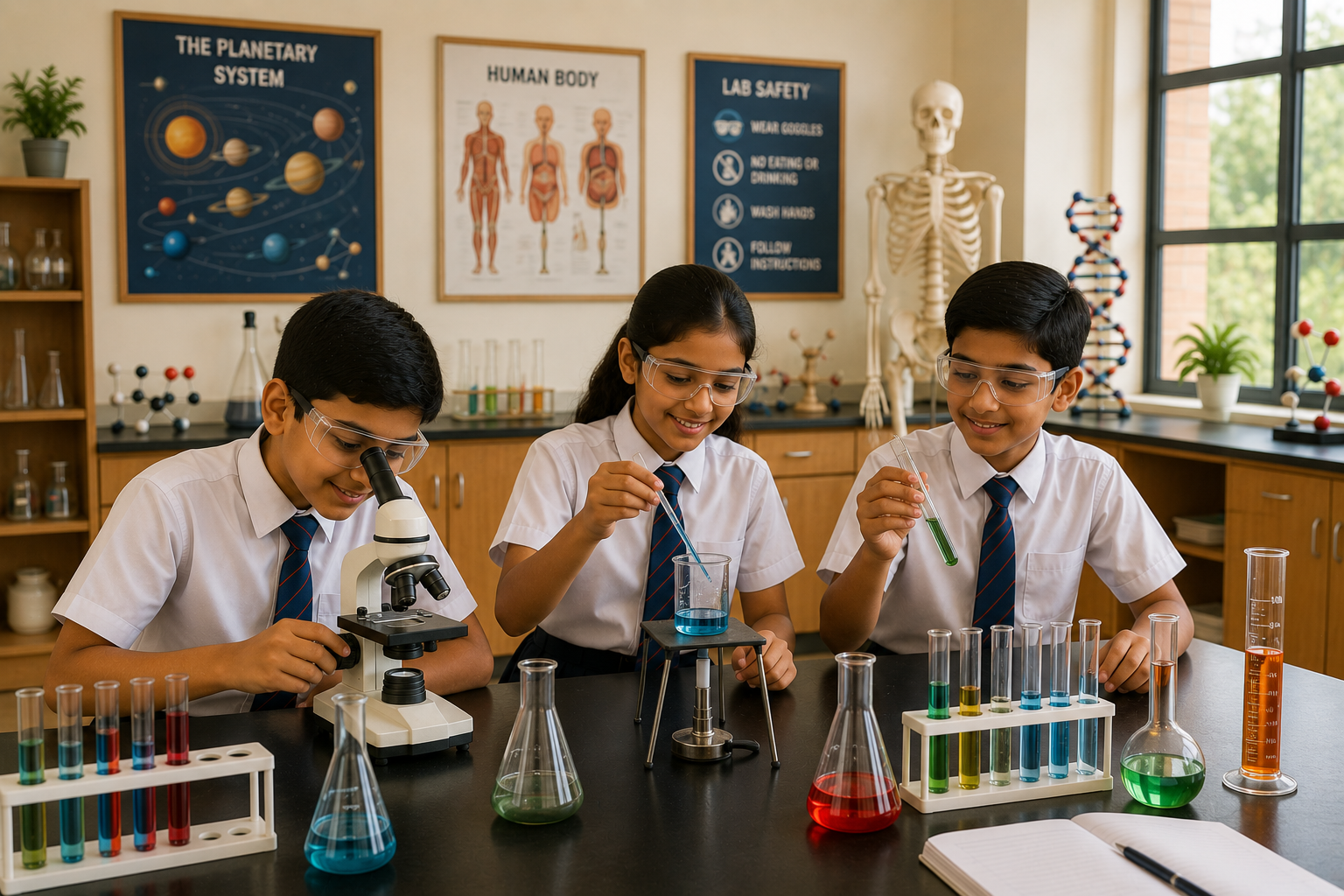
Setting up graded lab experiments means calibrating the same core skill — observation, measurement, hypothesis-testing — to different levels of complexity and independence as students move up through grades, not just scaling up the danger or the equipment. Real expertise is knowing which variables to hide at younger grades and which to expose as students mature, so a 3rd grader and a 9th grader can both run a real experiment and walk away with a real result, just at different depths. Done well, the lab itself teaches the scientific method through repetition across years, so by the time a student hits their hardest experiment, the process feels familiar even when the content is brand new.
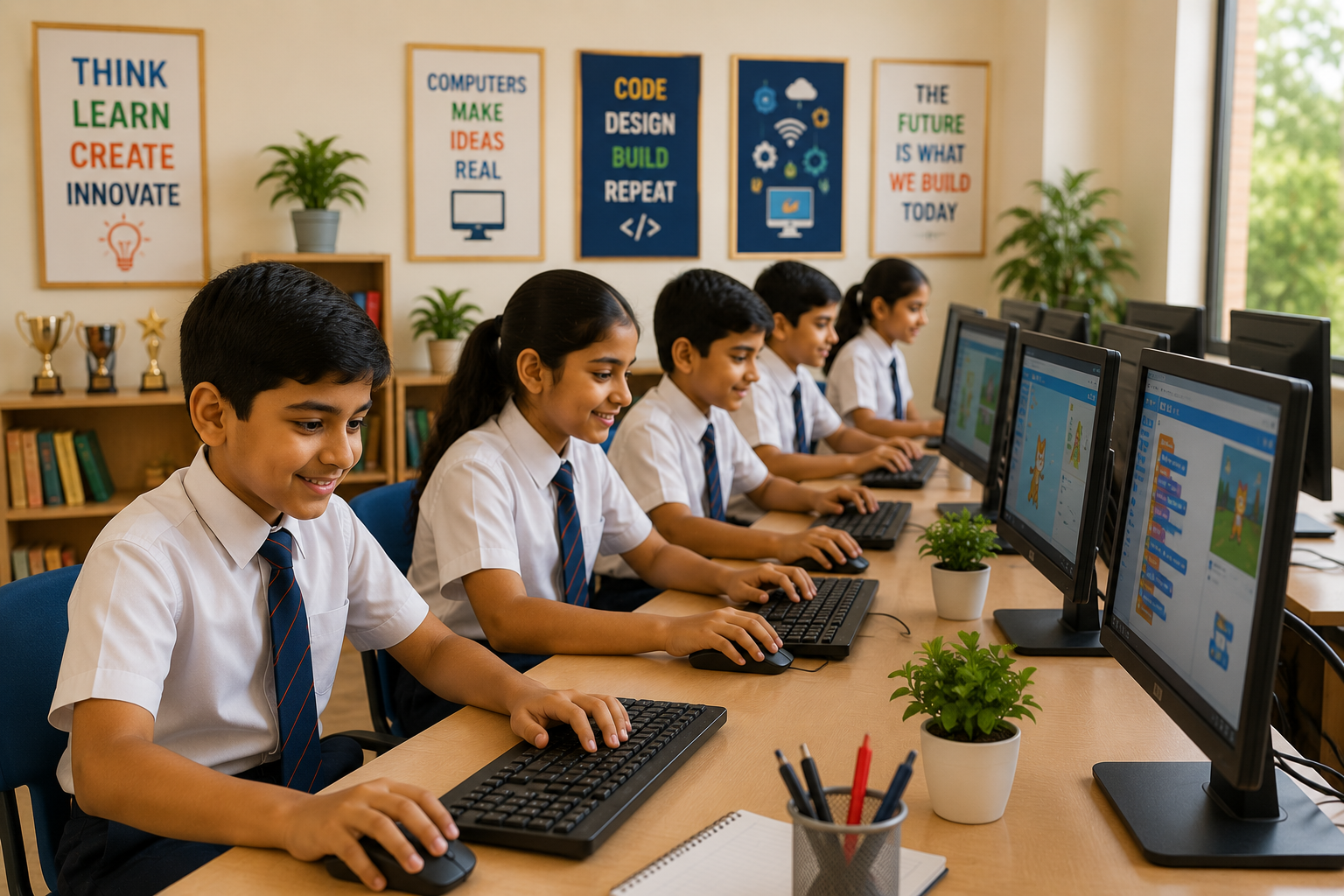
A graded computer lab program isn't just installing software by age — it's sequencing skills deliberately, so typing and basic navigation in early grades build directly into coding logic, digital research, and real problem-solving by the time students reach middle or high school. Real expertise means matching hardware, software, and screen-time structure to what's developmentally appropriate at each stage, while making sure every grade's curriculum builds on the last instead of repeating the same basics. Done right, students leave each year with a specific, demonstrable skill — not just "computer time," but a clear step up in what they can actually build, solve, or create with a machine.
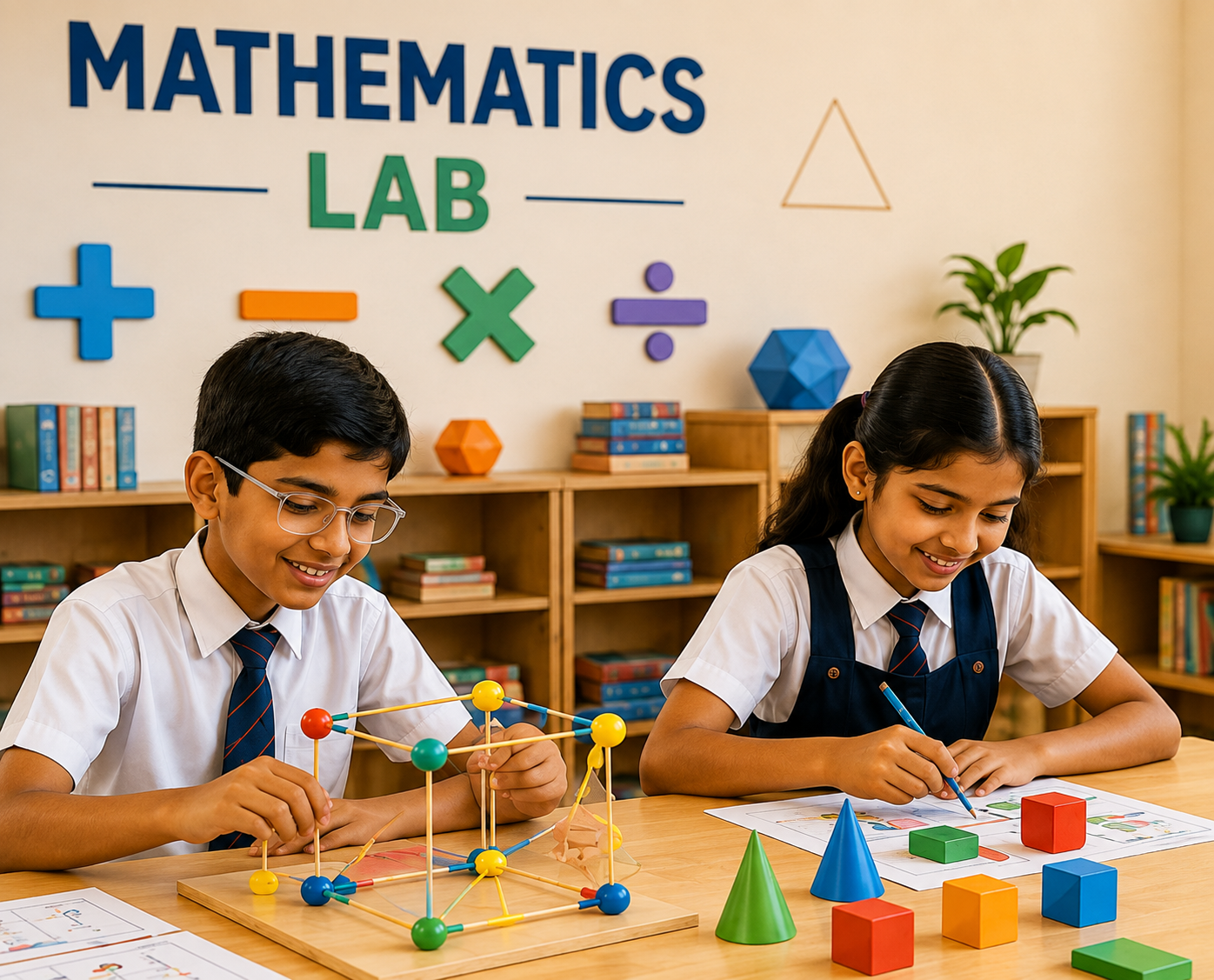
A graded math lab translates abstract math into something students can touch — manipulatives, models, and puzzles calibrated so a 2nd grader building fractions with blocks and an 8th grader modeling equations with the same toolkit are both doing real math, just at different depths. Real expertise is sequencing the hands-on tools so each grade's concrete experience sets up the next grade's abstract concept, instead of leaving kids stuck relying on manipulatives long after they should be reasoning symbolically. Done well, the lab turns "I don't get math" into "let me build it and see" — making abstract reasoning something students discover for themselves rather than something handed to them on a worksheet.
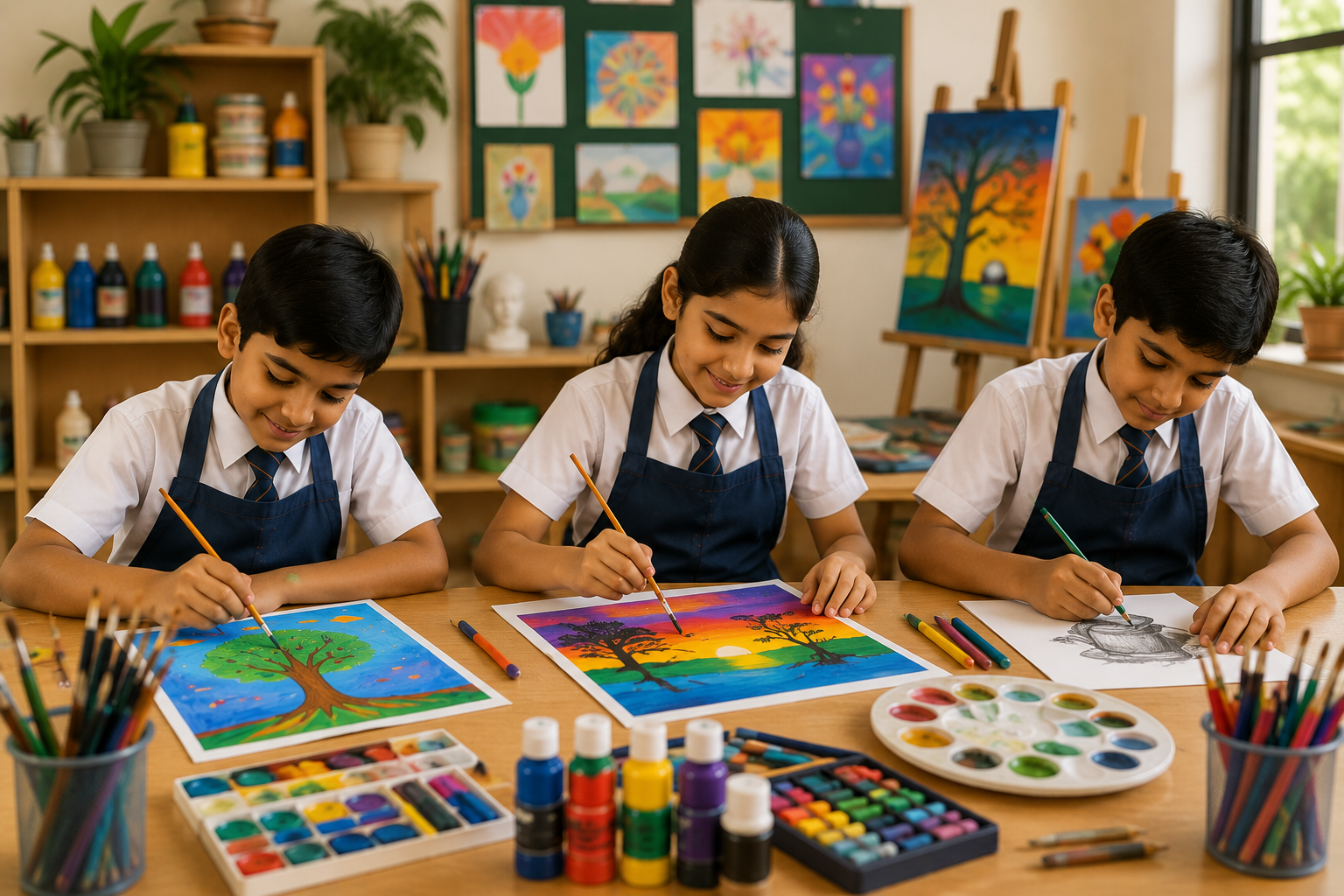
An arts lab isn't one all-purpose room with paint and paper — it's a space graded and zoned so a kindergartner exploring color and texture and a 7th grader mastering perspective and mixed media both have the right tools, references, and workspace for where they actually are. Real expertise means sequencing techniques deliberately across grades (basic shapes and color before composition, composition before style and critique), while stocking materials that scale from safe, forgiving supplies for little hands to real tools for developing technical skill. Done well, the lab becomes a place where students build a portfolio over years, not just a stack of one-off projects — so by the time they finish, they can see their own growth as artists, not just a pile of finished pictures.
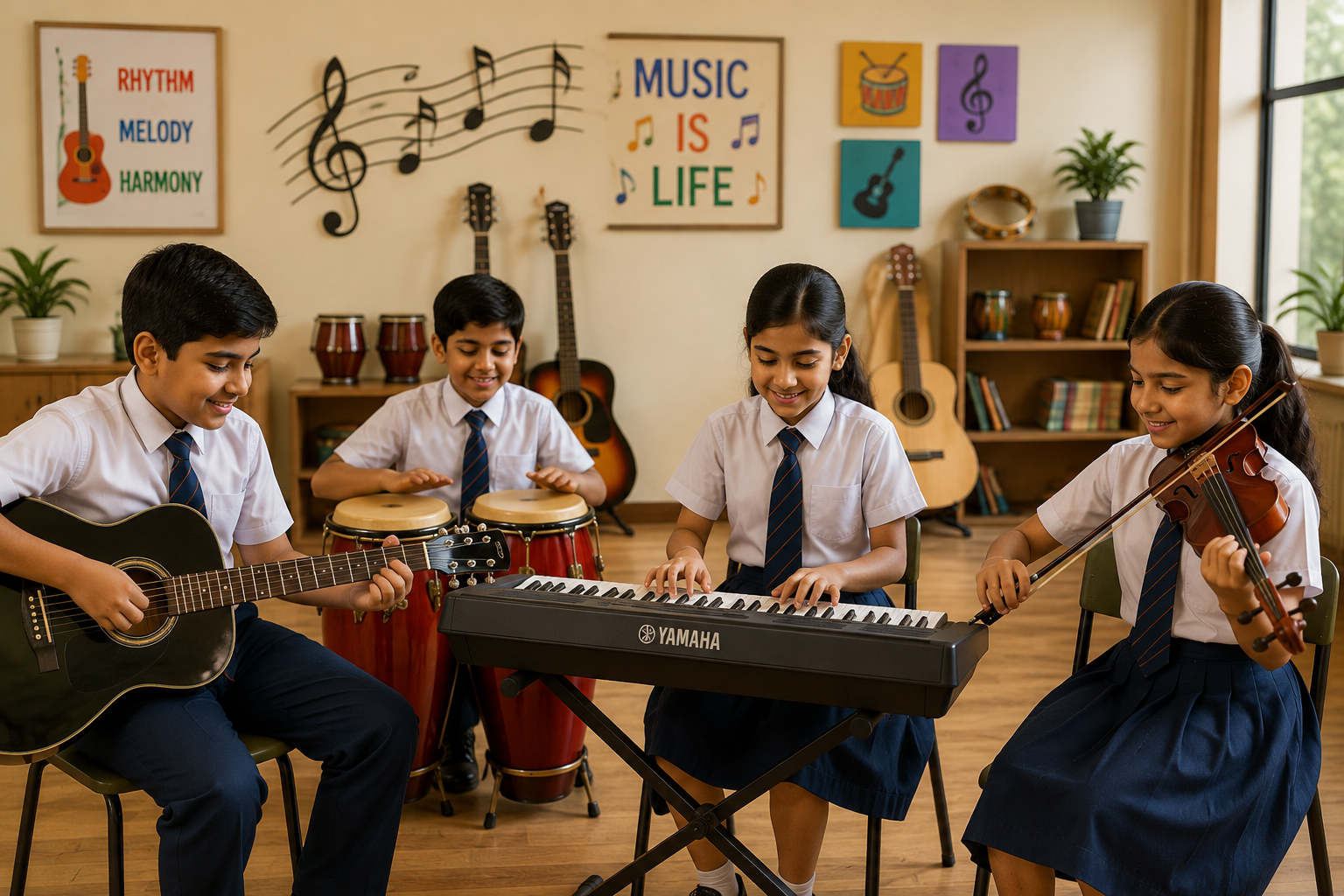
A music lab isn't just a room with instruments — it's a space graded by developmental stage, where young students explore rhythm and pitch through movement and simple percussion, while older students move into real instruments, notation, and even recording and composition tools. Real expertise means sequencing musical literacy deliberately — ear before notation, rhythm before harmony — while choosing instruments and technology that scale from forgiving and tactile to precise and expressive as skill grows. Done well, the lab turns music from a once-a-week singalong into a real discipline students build over years, so by graduation they're not just familiar with music — they can actually read it, play it, and create it.